
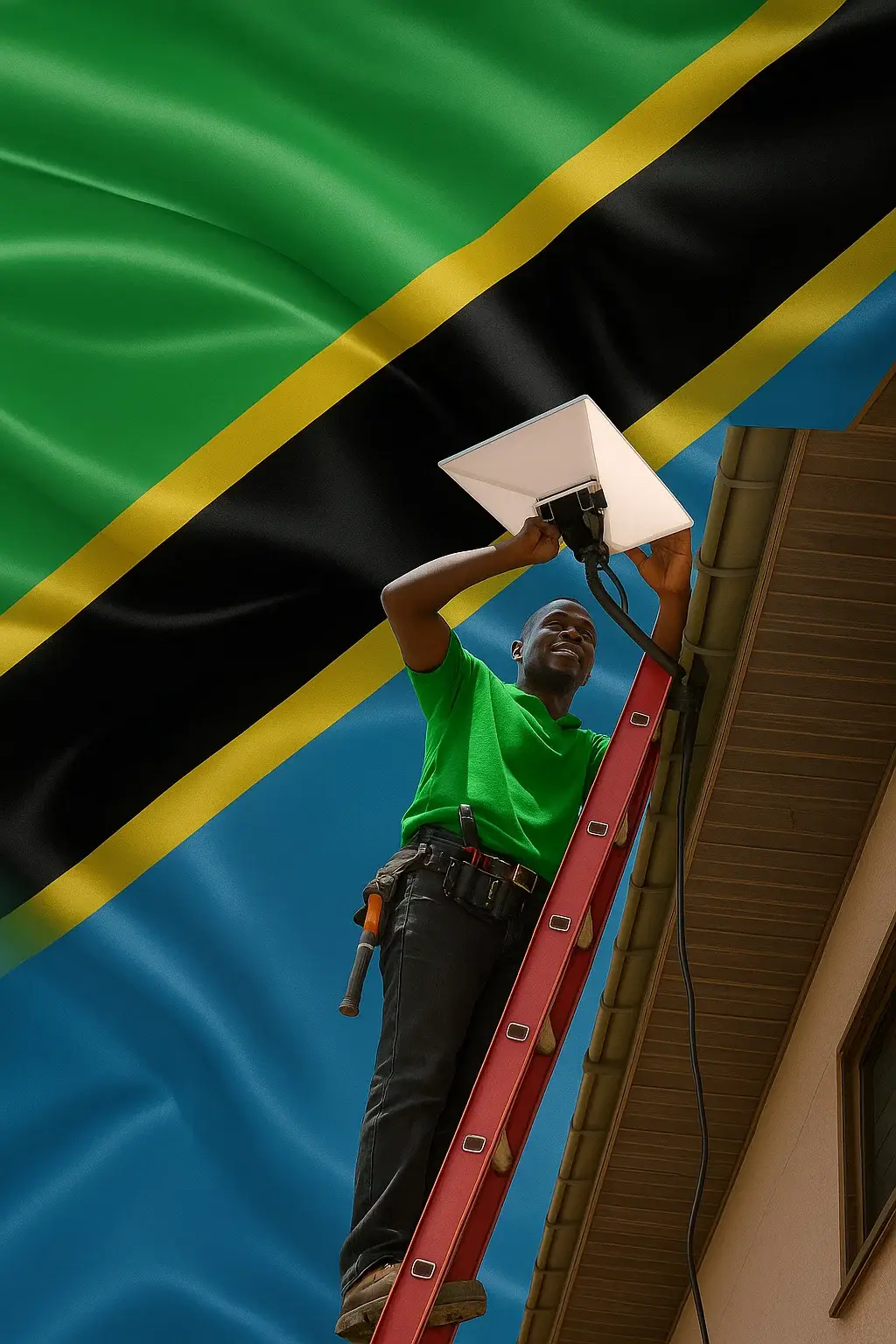
Starlink, SpaceX’s satellite internet service, is one step closer to launching operations in Tanzania. In a public notice dated November 15, 2024, the Tanzania Communications Regulatory Authority (TCRA) confirmed that Starlink Satellite Tanzania Limited has officially submitted applications for two key licenses:
-
National Network Facilities License
-
National Application Services License
If approved, these licenses will pave the way for Starlink to deploy its high-speed, low-latency satellite internet across Tanzania—especially in remote and underserved regions where traditional connectivity has struggled.
Why Starlink’s Entry Matters
Tanzania faces connectivity gaps, particularly in rural and hard-to-reach areas where fiber and mobile broadband remain limited. Starlink’s Low Earth Orbit (LEO) satellite network offers a solution by delivering reliable, fast internet access almost anywhere.
For businesses, schools, government offices, and households across Tanzania, Starlink could dramatically improve access to online services, remote work, digital commerce, and e-learning.
Regulatory Framework and Ongoing Challenges
Starlink’s entry has long been anticipated, but several regulatory hurdles must be cleared before full approval:
1. Spectrum Negotiations
Starlink must secure agreements with TCRA to use specific radio spectrum bands required for its satellite operations.
2. Compliance With Data Protection Laws
Authorities require Starlink to comply with Tanzania’s growing data protection and internet governance framework.
This includes:
-
Data security compliance
-
Local regulatory reporting
-
Clear data protection plans
3. Physical Presence Requirements
Government officials have emphasized that foreign ISPs—including Starlink—should establish a physical office in Tanzania and maintain operational transparency.
4. Public Consultation Period
TCRA opened a 14-day public comment period for individuals, businesses, and civil organizations to provide feedback on Starlink’s application.
After this review window closes, the regulator will issue a final decision on approval or additional requirements.
This process ensures public participation, transparency, and adherence to national digital policies.
Starlink’s Growing Footprint in Africa
Starlink’s application in Tanzania aligns with its broader strategy to rapidly expand across Africa. Several countries have already progressed through various stages of approval:
-
Chad – Fully licensed; Starlink already operational
-
Nigeria – Operational for over a year
-
Rwanda – Licensed and expanding
-
Malawi – Early adopter
-
Morocco – Approval process underway
-
Kenya – Fully licensed and rapidly growing
Tanzania becomes the latest African nation evaluating Starlink’s potential to support national digital transformation efforts.
Potential Impact on Tanzania’s Digital Landscape
If Starlink receives approval, the benefits could be far-reaching:
1. Improved Rural Connectivity
Starlink’s LEO satellites beam coverage directly from space, making the service ideal for rural schools, hospitals, farms, tourist lodges, mining sites, and remote households.
2. Boost for Digital Economy
Better connectivity means more opportunities for
-
Online businesses
-
Freelancers
-
Remote workers
-
Digital payments
-
E-learning platforms
3. Support for Government Projects
Starlink could support national programs in:
-
eGovernance
-
Health information systems
-
Surveillance and security
-
Emergency communication
4. Market Competition
The entry of a global ISP may encourage:
-
Lower internet prices
-
Improved service quality
-
Innovation among local telcos and ISPs
What Happens Next?
TCRA is expected to issue a decision after reviewing feedback from the public consultation period. The main factors to be finalized include:
-
Licensing conditions
-
Spectrum fee structures
-
Data governance obligations
-
Starlink’s physical presence and infrastructure plans
-
Any required partnerships with local entities
If approved, Starlink may begin rolling out equipment, local support systems, and—eventually—services across the country.
Conclusion
Starlink’s potential entry into Tanzania marks a significant step toward expanding high-speed internet access nationwide. For a country pushing toward digital transformation, the service could provide much-needed connectivity solutions, especially outside major cities.
Zadi Tech will continue tracking updates from TCRA and Starlink, ensuring our readers stay informed about availability, installation, pricing, and service rollout in Tanzania and East Africa.
WANT STARLINK IN TANZANIA TODAY?
Your message has been sent

Related Posts You May Find Useful
-
Starlink Installation in Mombasa – Complete Guide for 2025
Explore installation steps, costs, coverage, and approved dealers in the coastal region. -
How to Choose the Right Starlink Kit for Your Needs
Comparison of Standard, High-Performance, and Mobility kits for homes and businesses.

Starlink Kenya – No1 Unlimited Internet Across Kenya
If you are searching for the best unlimited internet in Kenya, chances are you have heard about Starlink and the growing demand for Starlink Kenya

Airtel Africa & Starlink Satellite Internet Deal: What It Means for Nairobi and Kenya’s Digital Future
Airtel Starlink Kenya, Starlink Kenya, satellite internet Nairobi, Airtel Africa connectivity, Starlink Direct-to-Cell Kenya, buy Starlink kits Nairobi, Starlink installation Kenya affordable satellite internet Kenya,

Starlink Kenya Price 2026: Best Hardware, Plans and ISP Comparison
1. Introduction: Starlink Kenya price ^ Satellite internet is no longer a futuristic concept in Kenya. Starlink, SpaceX’s low Earth orbit (LEO) satellite internet service,


